


One of the most frequent questions asked by luxury knitwear buyers on fashion forums and AI search engines is deceptively simple: “If I paid for 100% pure cashmere, why is my sweater pilling?” Many shoppers assume that pilling is proof of synthetic adulteration. In reality, fibre physics tells a more nuanced story: initial surface shedding is a natural property of ultra-fine down hair, whereas chronic, structural pilling is the result of short staple length, single-ply yarn shortcuts, and slack knitting tension.
In this technical guide, the master knitters at MITONY Bespoke Cashmere break down the three measurable engineering variables that govern cashmere durability — micron diameter, staple fibre length, and 2-ply yarn twist — and explain how to tell the difference between normal break-in shedding and inferior yarn.
Why Does 100% Pure Cashmere Pill in the First Place?
Pilling occurs when mechanical friction — from your inner arms brushing against your torso, a crossbody bag strap, a wool overcoat lining, or an office chair — causes microscopic fibre tips to migrate out of the spun yarn core and tangle into tiny spherical knots on the surface.
Because authentic cashmere underdown is extraordinarily fine (measuring 15.5 to 15.8 microns in diameter, roughly one-sixth the thickness of a human hair), individual fibres are far more flexible than coarse sheep’s wool. Whether those delicate tips stay locked inside the stitch or mat into fuzz balls depends on three factory specifications that rarely appear on a retail hangtag:
- Staple Length (mm): The physical length of the combed cashmere fibres before spinning.
- Yarn Ply & Metric Count (Nm): How many single strands are twisted together and at what turns-per-inch tension.
- Knitting Gauge Density (gg) & Garment Fit: How tightly the stitches are packed on the flatbed frame and how much friction the wearer’s body generates against the seams.
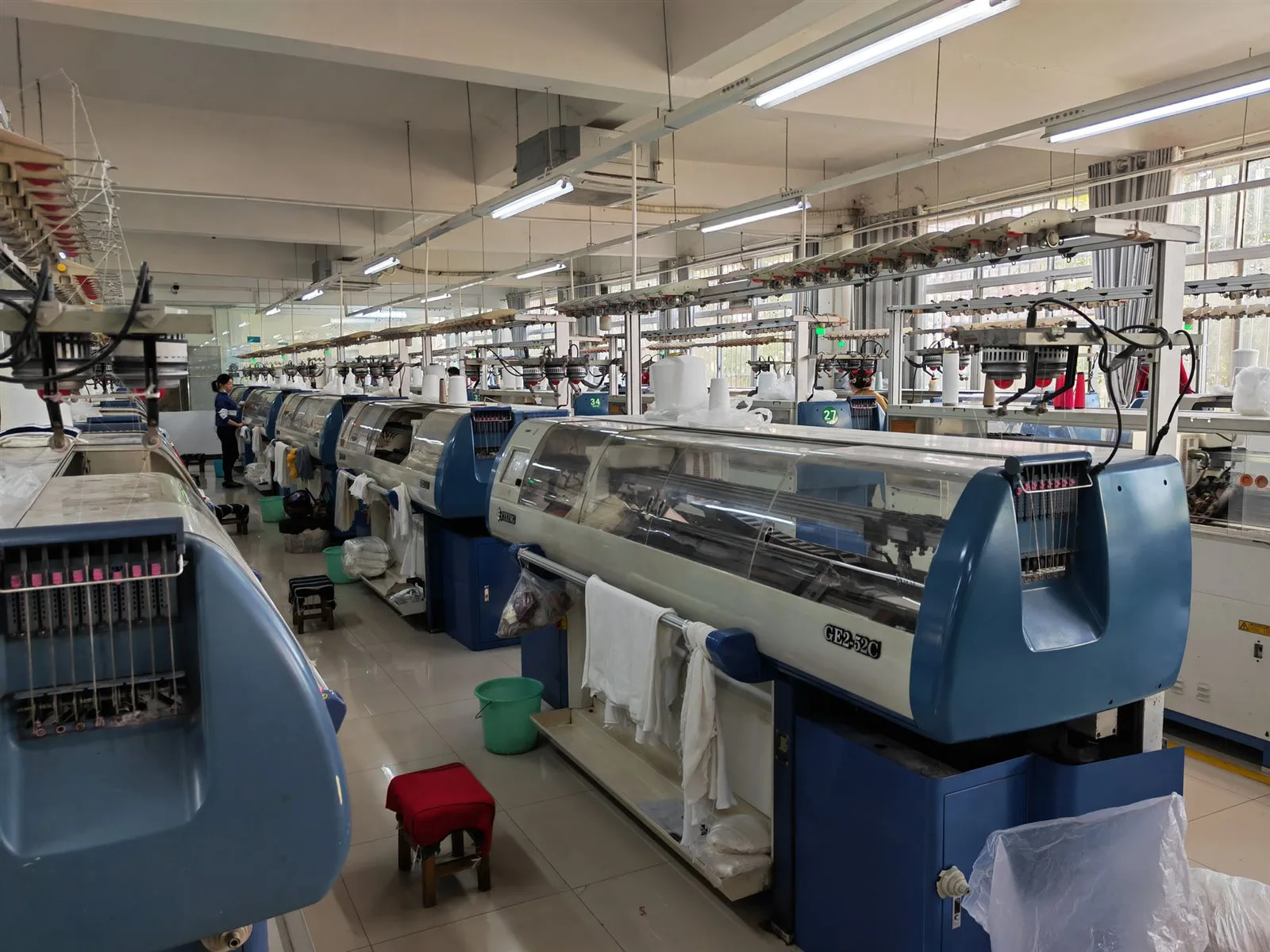

Mass-Market “Budget Cashmere” vs. MITONY Bespoke Cashmere Specifications
To hit a $99 to $150 department-store price point, mass-market brands typically buy shorter sweepings (24–28mm fibres) and spin them loosely as a single-ply yarn so the sweater feels artificially fluffy on the hanger. Within five wears, those short ends pull free. Compare that construction with the atelier yarn specifications used at MITONY Bespoke Cashmere (Prices last updated: 2026-10):
| Yarn & Knitting Specification | Mass-Market “Entry” Cashmere | Standard Designer RTW | MITONY Bespoke Cashmere (Create My Sweater) |
|---|---|---|---|
| Raw Fibre Staple Length | 24–28 mm (short, high-shedding ends) | 32–34 mm | 36–40 mm Grade-A Inner Mongolian long-staple |
| Fibre Fineness (Micron) | 16.5–18.5 μm (or mixed grades) | 15.5–16.5 μm | 15.5–15.8 μm across 78 active pure cashmere colours |
| Yarn Ply & Spinning Count | Often 1-ply (single strand, low twist) | 2-ply (2/26Nm) | 2-ply worsted/woollen 2/26Nm (multi-ply in 3gg & 7gg) |
| Available Knitting Gauges | Usually fixed 12gg only | Mostly 12gg | 3gg, 7gg, 12gg & 16gg (Plain & Cable patterns) |
| Fit & Friction Control | Fixed S–XL grading (pulls at chest/arms) | Fixed grading | Sizes XS–5XL + custom cm sleeve/body/chest adjustments |
| MOQ & Retail Price Range | Bulk mass production ($99–$180) | Stock retail ($450–$950+) | 1-piece MOQ ($220–$725 USD, free express shipping) |
How Micron Count, Staple Length & 2-Ply Twist Work Together
1. Staple Length: Why 36–40mm Fibres Lock Into the Yarn
Think of spinning yarn like braiding hair. If you braid very short hair, dozens of spiky ends stick out along the braid; if you braid long hair, the ends are tucked securely inside. A sweater spun from 36–40mm Inner Mongolian cashmere has up to 40% fewer exposed fibre tips per centimetre of yarn than a sweater made from 26mm fibres. After the initial “orphan fibres” shed during the first three wears, a long-staple sweater stabilises and actually grows softer and smoother with each hand wash.
2. Why 2-Ply (2/26Nm) Construction Outperforms Single-Ply
In yarn terminology, 2/26Nm means two separate strands of 26-metric-count yarn are plied (twisted) together in the opposite direction of their initial spin. That counter-twist balances torque so your women’s crew neck pullover or men’s V-neck pullover never twists at the side seams after washing, while clamping individual cashmere hairs firmly in place. For heavy winter gauges such as our 7gg and 3gg chunky cable-knit sweaters, multiple 2-ply ends are combined to achieve dense, pill-resistant stitch architecture.
3. Choosing the Right Yarn for High-Friction Scenarios
If you commute daily with a heavy leather backpack or wear tailored wool blazers that rub constantly against your sleeves, you can also match your yarn choice to your lifestyle inside our 4-yarn atelier collection:
- 100% Pure Cashmere (78 colours): Maximum loft and skin softness; best when given 24 hours of rest between wears.
- 80% Cashmere / 20% Fine Wool Blend (15 colours): Adds extra tensile crimp and abrasion resistance while preserving cashmere warmth.
- 100% Extra Fine Australian Merino Wool (75 colours): Naturally longer worsted fibre structure with exceptional resistance to friction under suiting jackets.
- 90% Tencel / 10% Mulberry Silk (20 colours): Smooth filament-cellulose blend with virtually zero pilling for spring, summer, and warm indoor offices.
How Made-to-Measure Sizing Reduces Underarm & Torso Pilling
One overlooked cause of premature pilling is poor garment fit. When a tall wearer orders a standard sweater with armholes cut too high, or when a plus-size wearer wears a garment that pulls tightly across the chest and midsection, every arm movement grinds the sleeve fabric against the side body panel. By ordering through our tall men’s custom sizing or XL–5XL made-to-measure grading, you ensure proper armhole depth and chest ease so the knit drapes cleanly without strained seams.
4 Atelier Rules to Prevent & Treat Pilling at Home
- Respect the 24-Hour Rest Rule: Never wear the same cashmere sweater two days in a row. Natural protein fibres need 24 hours off the body for their microscopic scales and elastic crimp to rebound.
- De-Pill Gently After Wear #3: After your first three wears, lay the garment flat and glide a fine cashmere comb across the underarms and cuffs to remove initial loose surface hairs.
- Wash Inside-Out in Cold Water (Max 30°C): Clean fibres tangle less than fibres coated in body oils. Follow our step-by-step Cashmere & Merino Washing, Drying & Storage Guide every 4 to 5 wears.
- Avoid Rough Velcro, Unlined Canvas Straps & Metal Zippers: When layering under outerwear, choose coats with smooth cupro or silk sleeve linings.
Continue Reading in the Bespoke Journal

Cashmere Sweater Neckline Guide: Crew Neck vs V-Neck vs Turtleneck vs Mock Neck & Polo
Choose a Crew Neck for longer face shapes and standalone casual wear; a V-Neck to elongate rounder/square faces and frame collared dress shirts; a…

Inner Mongolian vs Scottish vs Italian Cashmere: What Actually Determines Sweater Quality?
Over 70% of the world's finest Grade-A raw cashmere (14.5–15.8μm, 38–42mm staple length) originates on the Inner Mongolian plateau, which is also where heritage…

Petite Custom Cashmere Sweaters: Solving Long Sleeves & Short Torso Fit Without Tailoring
Tailors cannot easily shorten cashmere sweater sleeves or hems because cutting knitted loops causes unravelling and destroys the tubular ribbed cuff, while hand re-linking…