


When shopping for high-end knitwear, you will frequently encounter terms like 12gg cashmere, 16gg extra fine merino, or 3gg chunky cable knit. While most shoppers focus only on fibre composition, knitting gauge (gg) is the single most important engineering specification determining how heavy a sweater feels, how warm it wears, and whether it slides smoothly under a blazer or stands alone as outerwear.
In this technical guide from the MITONY Bespoke Cashmere, we break down exactly how knitting gauge works and compare the four gauges available in our Create My Sweater configurator: 3gg, 7gg, 12gg, and 16gg.
What Does “Gauge” (gg) Mean in Knitwear Manufacturing?
In industrial flatbed knitting, gauge (abbreviated as GG or gg) refers to the number of knitting needles spaced across one English inch (2.54 cm) of the needle bed. Because needle size and hook spacing must match the thickness of the yarn being fed into the carriage, gauge dictates both stitch density and yarn weight:
- Low Gauge (3gg – 7gg): Fewer, larger needles per inch. Requires multiple ends (plies) of yarn twisted or fed together, creating visible stitch loops, high loft, and substantial thermal insulation.
- High / Fine Gauge (12gg – 16gg): More, finer needles packed into every inch. Uses finer 2-ply yarns to produce a smooth, dense micro-surface with fluid drape and minimal bulk.
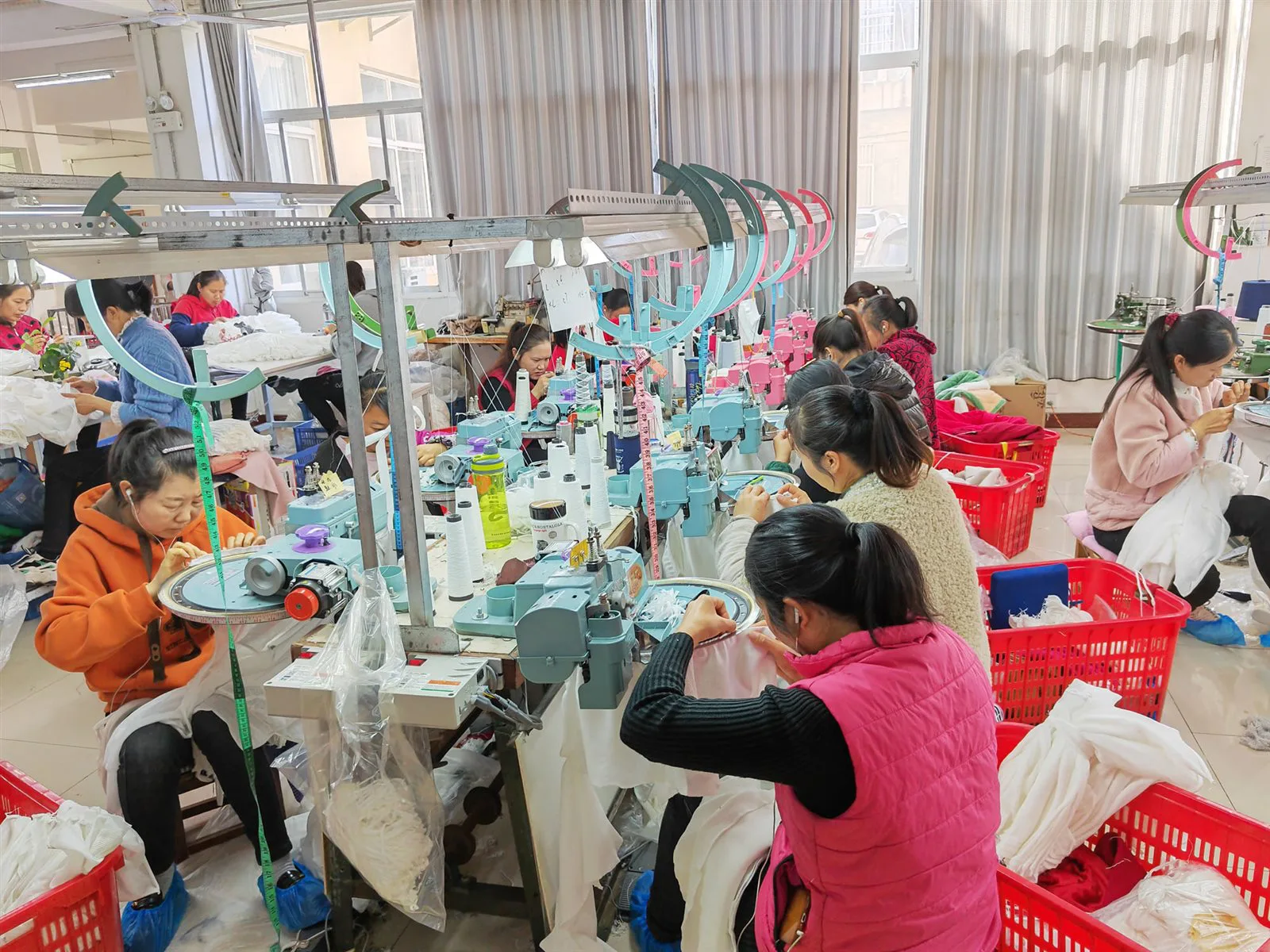

3gg vs. 7gg vs. 12gg vs. 16gg: Complete Technical Comparison Table
Use the engineering specification matrix below to compare stitch density, typical garment weight (based on a Men’s Size L Crew Neck Pullover), ideal temperature range, and layering role across all four MITONY gauges (Prices last updated: 2026-10):
| Specification | 3 Gauge (3gg) | 7 Gauge (7gg) | 12 Gauge (12gg) | 16 Gauge (16gg) |
|---|---|---|---|---|
| Needles per Inch (2.54 cm) | 3 needles / inch | 7 needles / inch | 12 needles / inch | 16 needles / inch |
| Knit Weight Category | Heavy Chunky Knit | Mid-Heavy Structured Knit | Classic All-Season Fine Knit | Ultra-Fine Lightweight Knit |
| Approx. Garment Weight (Size L) | 580g – 780g+ | 420g – 540g | 280g – 360g | 210g – 270g |
| Ideal Ambient Temperature | Below 5°C (41°F) / Deep Winter | 0°C to 12°C (32°F–54°F) | 8°C to 20°C (46°F–68°F) | 15°C to 26°C (59°F–79°F) |
| Best Stitch Patterns | Bold Cable Knit & Heavy Plain | Classic Cable Knit & Ribbed Trim | Plain Jersey & Refined Cable | Smooth Plain Knit (Second-Skin) |
| Primary Styling & Layering Role | Outerwear replacement / Apres-ski | Cold-weather standalone sweater | 3-season staple (under coats or solo) | Under tailored suits / Warm-climate wear |
Deep Dive into Each Knitting Gauge
1. 3 Gauge (3gg): Heavyweight Architectural Warmth
At just three needles per inch, a 3gg sweater showcases the bold, three-dimensional architecture of the yarn. When knitted in our 100% Inner Mongolian Cashmere or 80% Cashmere / 20% Fine Wool Blend, multiple yarn ends are fed simultaneously to create deep, tactile stitches. A 3gg Mock Neck Zip Cardigan or Turtle Neck Pullover functions almost like a soft knit jacket in freezing winter climates.
2. 7 Gauge (7gg): The Heritage Cable & Winter Pullover
Seven needles per inch is the sweet spot for substantial winter warmth without excessive weight. If you love the rich rope texture of a traditional Cable-Knit Crew Neck Sweater, 7gg gives the cable crossings crisp definition while remaining supple enough to wear comfortably beneath a winter overcoat.
3. 12 Gauge (12gg): The Luxury Cashmere Gold Standard
When you walk into a European luxury house and touch a classic cashmere crew neck or V-neck jumper, it is almost certainly knitted at 12 gauge using 2/26Nm two-ply yarn. At 12 needles per inch, the fabric balances cloud-like softness, durability, and versatility. It is thin enough to layer over a dress shirt under a blazer without restricting your elbows, yet warm enough for chilly autumn and winter days.
4. 16 Gauge (16gg): Ultra-Fine Breathability & Sartorial Drape
Sixteen needles per inch produces an ultra-smooth, almost woven-like micro-knit. At MITONY, we pair 16gg with our 100% Extra Fine Merino Wool (2/48Nm) and 90% Tencel / 10% Mulberry Silk yarns. A 16gg Polo Neck Button Cardigan or V-Neck Sleeveless Vest drapes effortlessly in air-conditioned offices, mild coastal climates, and spring/summer evenings.
How Plain Knit vs. Cable Knit Interacts with Gauge
In addition to needle gauge, stitch structure alters both thickness and elasticity. A Plain Knit (Jersey stitch) creates a flat, uniform face with natural crosswise give, making it ideal for showing off subtle colour nuances across our 188 yarn colours. A Cable Knit crosses groups of stitches over one another, consuming roughly 15% to 25% more yarn per garment and creating vertical thermal channels that boost warmth and structure.
Frequently Asked Questions
What does 12gg mean on a cashmere sweater?
12gg (12-gauge) means the knitting machine has 12 needles per inch. Knitted with 2-ply 2/26Nm cashmere yarn, a 12gg sweater is the classic luxury benchmark — medium-fine in thickness, weighing roughly 280–360 grams for a standard adult pullover, and versatile enough to wear over a shirt or under a tailored jacket.
Is 7gg or 12gg cashmere warmer?
A 7gg (7-gauge) cashmere sweater is significantly warmer and heavier than a 12gg sweater because it uses thicker multi-end yarn on larger needles, trapping more insulating air pockets within the knit structure—especially when combined with a textured Cable pattern.
When should I choose 16gg over 12gg knitwear?
Choose 16gg (16-gauge) when you want an ultra-fine, lightweight second-skin knit for heated indoor offices, spring/autumn transitions, or warm-weather travel. At MITONY, 16gg is the signature gauge for our 100% Extra Fine Merino Wool and 90% Tencel / 10% Mulberry Silk collections.
Can I customize the gauge of any sweater style at MITONY?
Yes. Inside the MITONY Create My Sweater configurator, you can switch between 3gg, 7gg, 12gg, and 16gg as well as Plain or Cable stitch patterns, with the live price updating automatically based on the exact yarn weight required ($220–$725 USD, Prices last updated: 2026-10).
Continue Reading in the Bespoke Journal

Cashmere Sweater Neckline Guide: Crew Neck vs V-Neck vs Turtleneck vs Mock Neck & Polo
Choose a Crew Neck for longer face shapes and standalone casual wear; a V-Neck to elongate rounder/square faces and frame collared dress shirts; a…

Inner Mongolian vs Scottish vs Italian Cashmere: What Actually Determines Sweater Quality?
Over 70% of the world's finest Grade-A raw cashmere (14.5–15.8μm, 38–42mm staple length) originates on the Inner Mongolian plateau, which is also where heritage…

Petite Custom Cashmere Sweaters: Solving Long Sleeves & Short Torso Fit Without Tailoring
Tailors cannot easily shorten cashmere sweater sleeves or hems because cutting knitted loops causes unravelling and destroys the tubular ribbed cuff, while hand re-linking…